Localised ground failure
Old well under house subsidence and buried voids
Wells, soakaways, filled cellars and cleared wartime sites leave voids under gardens and extensions. Find out how a specialist investigates a localised dip or sudden crack where something buried has collapsed, rather than movement affecting the whole house.
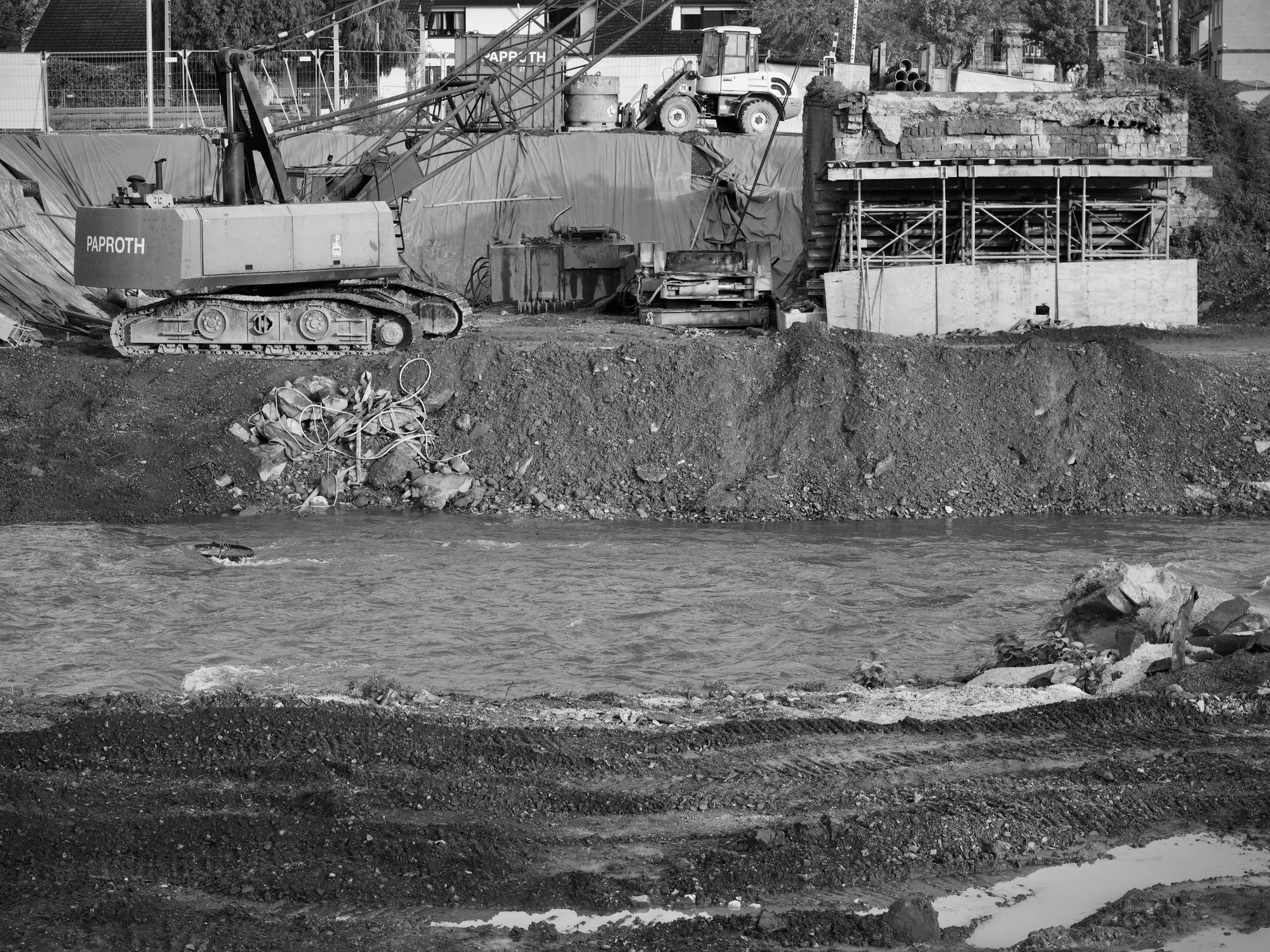
Why an old well under house subsidence happens locally
A hole appeared in garden lawn space near your extension, or a path beside the house has sunk while the rest of the building sits level. In older parts of Hampshire, this pattern often points to something specific buried below rather than general soil shrinkage. A buried well under extension footings, a brick-lined soakaway that gave way decades ago, or a cellar filled with rubble during the last century can all leave a void that eventually collapses.
If there was an old well in your garden, it could certainly explain why the extension is cracking. Wells were dug wherever water was needed, and many were simply capped with timber or loose stone when piped water arrived. Over time those covers rot or shift. The ground above settles into the space, pulling the shallow foundations of a later addition down with it. That localised drop is what separates this kind of problem from wider subsidence driven by clay drying out in summer.
Reading the signs of a single void
Only one corner of the house is moving, and that detail matters. General subsidence tends to affect a broader area because the cause, such as drying clay or leaking drains, acts across a wide zone. A single sinking point suggests a discrete void beneath it.
Infilled cellar subsidence follows the same logic. Many Hampshire cottages had root cellars or coal stores dug beneath the floor. When these were no longer needed, builders tipped in whatever was available: broken bricks, ash, soil. That fill compacts over decades. If the original walls were never properly demolished and backfilled with engineered material, a gap remains. The floor above sags into it.
You might notice doors sticking in one room but not the next, or a concrete slab that sounds hollow when tapped. These are clues that the support underneath has gone missing in one spot. A specialist reads these patterns to narrow down where the void lies before any digging starts.
Finding what is buried without destroying the garden
How does anyone find a buried well or cellar without digging the whole garden? Specialists use ground-penetrating radar and micro-gravity surveys to map changes in density below the surface. A void shows up as an anomaly because radar waves bounce differently off empty space than they do off solid earth.
This kind of void under extension survey work is standard practice for older properties. The equipment is pushed or carried across the ground, so lawns and flower beds stay intact. The results give a picture of what lies beneath, showing whether the issue is a collapsed drain, a forgotten well shaft, or loose fill that has washed away.
Once the survey pinpoints the void, the specialist knows exactly where to focus. That avoids unnecessary excavation and keeps disruption to the home and garden as small as possible. It also tells them whether the structure above needs temporary propping while the ground below is addressed.
Cleared wartime sites and made ground in Hampshire
Our house is on a cleared bomb site, what should I be asking about the ground? Wartime infill ground movement is a recognised issue in towns like Portsmouth, Southampton and Gosport, where bomb damage was heavy and reconstruction happened fast. Rubble from destroyed buildings was often pushed into craters and basements, then covered with topsoil.
That fill was never compacted to modern standards. Decades of rain wash fine particles down through the gaps, slowly creating voids. Extensions built on this ground in the 1950s and 1960s sit on fill that is still settling. The movement is rarely uniform, so one wall drops while the original house stays put.
If your home stands on a cleared site, tell the specialist everything you know about the history. Old Ordnance Survey maps, local archive photographs and council records sometimes show where bomb damage occurred. That background helps them interpret what the ground survey reveals and decide whether screw piling or resin injection suits the conditions better.
Collapsed soakaways and insurance questions
Is a collapsed soakaway treated the same as subsidence by insurers? Not always. A soakaway is a drainage feature, usually a pit filled with rubble designed to let surface water drain into the soil. When the sides cave in or the fill compresses, the ground above sinks. Insurers sometimes classify this as a drainage failure rather than subsidence, which affects how a claim is handled.
The distinction matters because subsidence cover typically pays for stabilising the foundations, while drainage claims might only cover replacing the pipe or pit. A specialist who understands both the engineering and the insurance language can describe the failure accurately in their report. That clarity helps when you speak to your insurer.
If a collapsed soakaway house crack has opened near a downpipe, the first step is stopping water from flowing into the void. Diverting the downpipe temporarily prevents further washing out of the soil while the ground is assessed.
How quickly to act when the ground gives way
How quickly should I act if a hole has appeared in the lawn? Immediately. An open hole means the void below has breached the surface, and the edges are unstable. Keep people and pets away from the area. Do not try to fill it yourself with topsoil or concrete, as adding weight to unsupported ground can make the collapse spread.
A specialist needs to see the site promptly. They will assess whether the void extends toward the house foundations and whether temporary supports are needed. In Hampshire, where chalk and gravel sit beneath many gardens, voids can spread sideways as well as downward once the surface seal breaks.
Speed matters because rain entering an open void accelerates erosion. Even a dry spell followed by heavy showers can turn a small depression into a significant hazard within days. Getting a professional assessment early limits the damage to the surrounding ground and the structure above it.
Deciding between filling the void and supporting the house
Who decides whether a void needs filling or the structure needs support? The structural engineer or surveyor who inspects the site makes that call based on what they find. Sometimes the answer is both. If the void is small and the foundations have barely moved, injecting a structural resin into the ground can fill the space and compact the surrounding soil at the same time.
If the foundations have dropped significantly, the specialist might recommend underpinning to transfer the load to stable ground below the void. Screw piling is another option on made ground, driving steel piles past the loose fill into firm strata beneath.
Will the previous owner's paperwork show if a cellar was infilled? Rarely. Unless the work required planning permission or building control sign-off, it may never have been recorded. Conveyancing searches sometimes miss informal alterations. That is why a physical survey is necessary when the symptoms appear, regardless of what the paperwork says.
Something underground has given way near my home
When a void left by an old well, cellar or soakaway finally collapses, the ground above drops. The signs are usually confined to one area rather than spread evenly across the house.
- 1
Sudden dip in the garden
A depression appears in the lawn or path near the house, often after heavy rain. It suggests soil has fallen into a space below.

- 2
One corner dropping
Cracks open around a single window or door frame while the rest of the walls remain straight. Localised movement points to a specific void.

- 3
Hollow sound underfoot
Tapping a concrete floor near the extension produces a drum-like echo. The slab has lost contact with the ground beneath it.

- 4
Downpipe pooling
Water gathers at the base of a drainpipe and disappears quickly into the soil. A failing soakaway may be drawing water underground.

Typical costs for void and foundation repair work
The ranges vary because every void differs in depth, size and location. Access for machinery, the type of soil beneath the home, and whether the structure needs lifting all move a job within its bracket.
-
Resin injection for small voids
£1,500 to £4,000
Depth of the void and how much resin is needed to fill and compact the soil.
-
Concrete slab repair over void
£2,000 to £5,500
Size of the affected slab and whether the ground beneath requires stabilising first.
-
Soakaway replacement and ground fill
£3,000 to £7,000
Access for excavation equipment and the volume of collapsed material to remove.
-
Screw piling for made ground
£5,000 to £12,000
Number of piles required and how deep the firm strata lies beneath the fill.
-
Underpinning a single corner
£8,000 to £20,000
Depth of new foundations and whether services like drains need diverting during the work.
These figures indicate what work of this type typically costs. Nothing here is a quotation. Only a site inspection can settle a figure for one property.
Tell us what you have noticed at home
Send a description of the problem and where it is happening. A specialist firm will review the details and advise on the next steps. You are not committing to any work by asking.
- No obligation to proceed
- Details stay private
- Specialist reviews your notes