Lymington guide
Subsidence in Lymington: cracks on clay and silt
Shrinkable clay inland and soft silts towards the water put two different causes within the same town. Find out what your crack means, which ground is beneath your home, and how a specialist handles each repair method.

Cracked walls in Lymington and what they might mean
A crack can appear because the Solent Group clay strata near the coast show high susceptibility to volumetric change from seasonal moisture variations, or because soft silts compress under weight. The cause dictates the fix, so reading the sign matters before anyone touches the foundations.
- 1
Diagonal cracks near windows
Wider at one end than the other, often following mortar lines. This pattern suggests differential movement in the ground below.

- 2
Doors catching on frames
A door that used to close freely now sticks. The frame may have shifted out of square as the wall moved.

- 3
Gaps around skirting boards
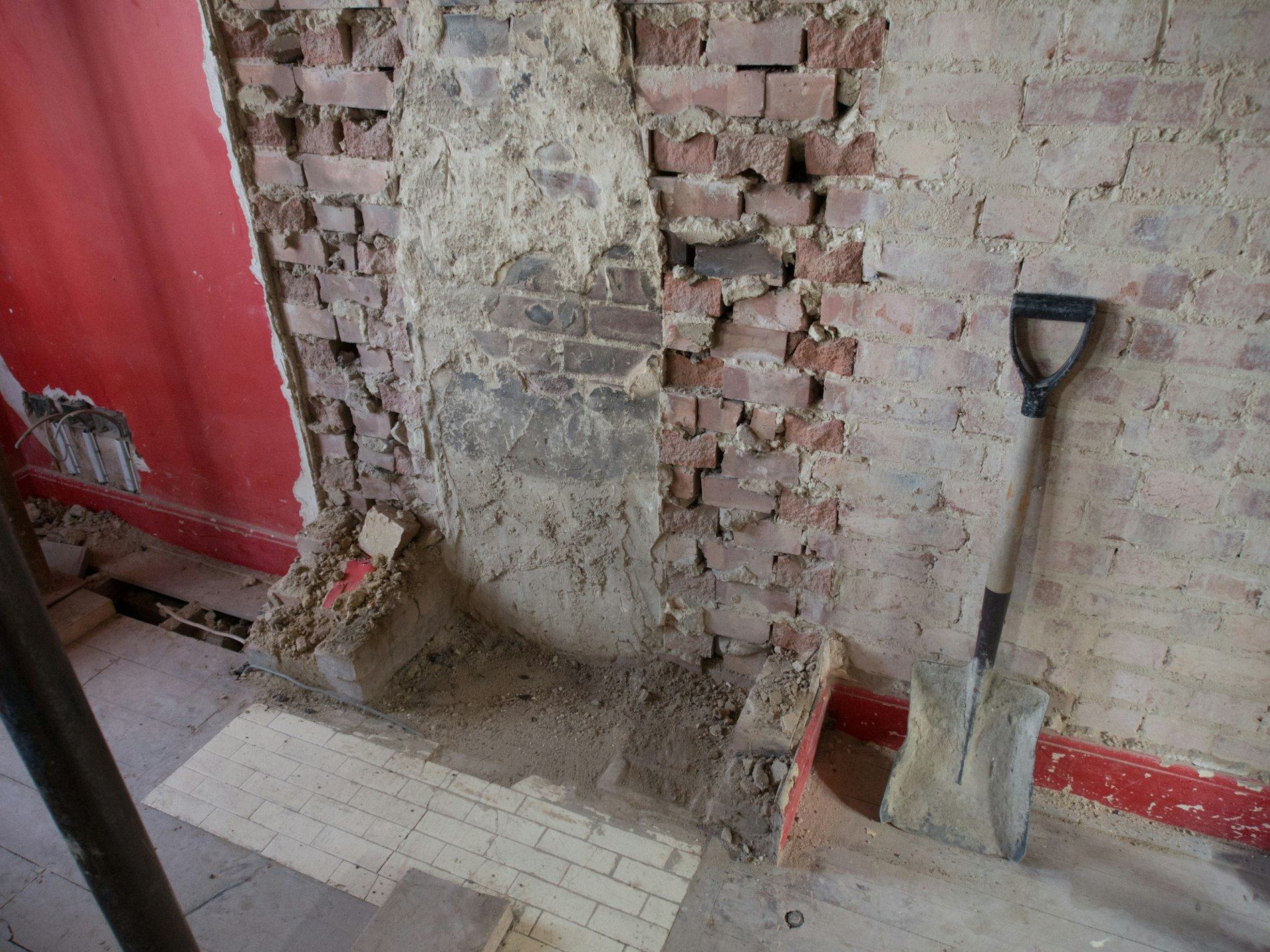
The floor has dropped away from the wall, leaving a visible gap. This happens when ground compresses unevenly.
- 4
Cracks opening in summer
Fissures that widen in dry months and narrow after rain point to soil losing moisture and shrinking back.
Ground conditions
Why two houses in the same town behave differently
Clay shrinkage affects Lymington homes built inland on Solent Group strata. Dry summers draw moisture out, the soil contracts, and the foundation drops. A period town house on this clay needs a different approach from one on the quay.
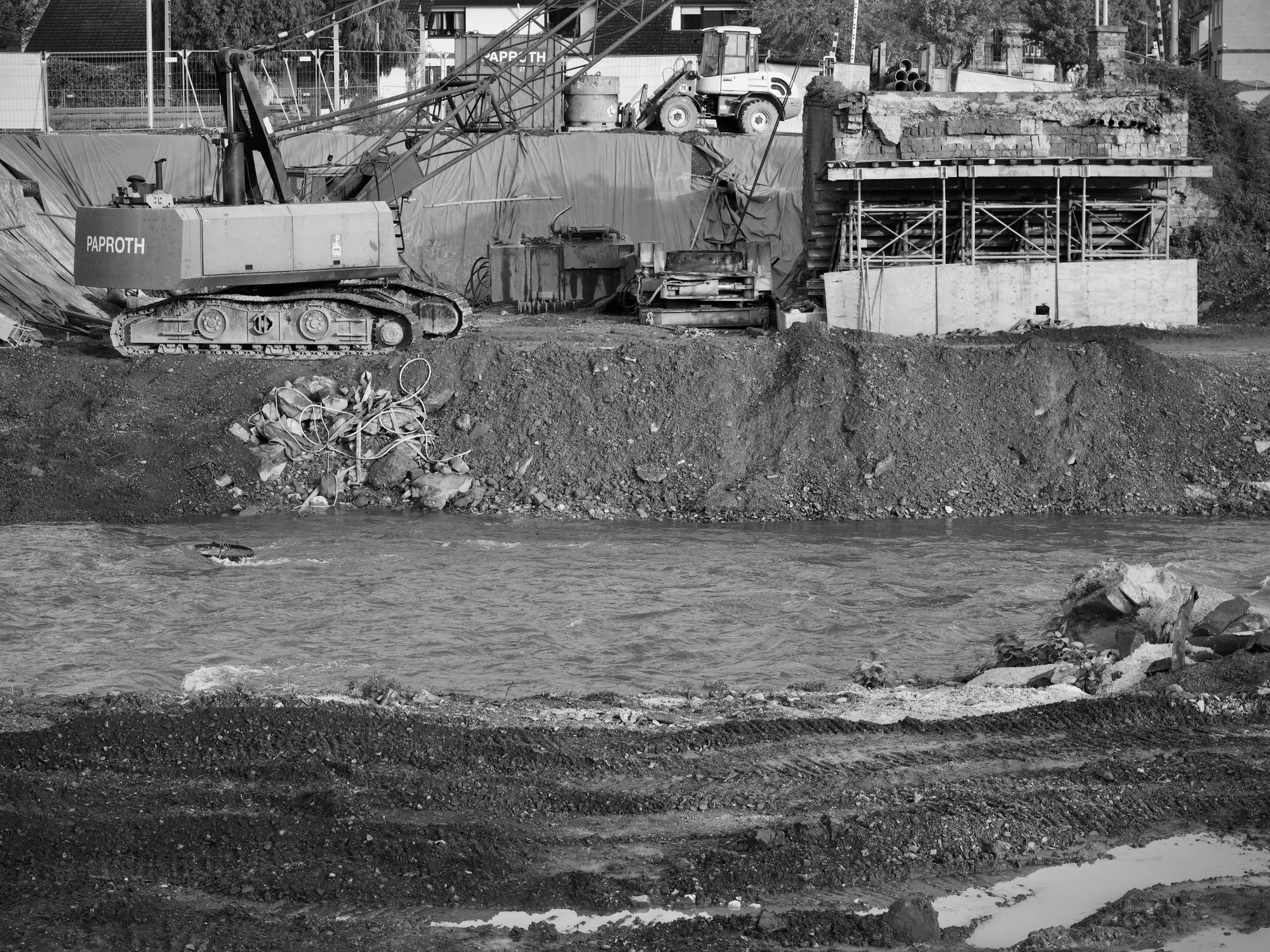
Soft silts near the river compress slowly under the weight of a building. Waterside house subsidence in the New Forest often traces back to this made ground rather than seasonal drying, so the repair must address load-bearing capacity.
An insurer will send their own engineer, but you can also seek subsidence claim advice in Hampshire from a separate specialist. Getting an independent view helps when the cause is unclear or the proposed repair feels wrong.
If a crack appears while the house is on the market, commissioning a survey quickly establishes whether the movement is historic or active. Buyers need clarity, and delay usually costs more than the investigation itself.

Foundation repair and subsidence help in Lymington
The mix of clay and estuary silt means no single method suits every plot. Each approach below addresses specific ground behaviour found across the town.
-
Subsidence help in Lymington
The specialist inspects the cracked walls in Lymington, checks drainage, maps the crack pattern and identifies whether clay shrinkage or soft silt is responsible. They produce a report detailing the cause and the appropriate repair method, which typically takes a few days to arrange once requested.
-
Underpinning in Lymington
Underpinning in Lymington requires building control approval because it alters the foundation depth. The specialist excavates below the existing footing in controlled sections and pours new concrete to reach stable ground, working carefully around period brickwork and avoiding damage to neighbouring plots.
-
Resin injection in Lymington
Resin injection in Lymington suits homes where digging would disrupt gardens or driveways. The specialist drills small holes through the slab or footing and pumps expanding resin into voids within the soft silts, compacting the ground with far less mess than traditional excavation methods.
-
Concrete cracking in Lymington
Concrete cracking in Lymington affects floor slabs, drives and patios that sit on moving ground. The specialist assesses whether the slab has split because of subsidence or simple settlement, then repairs or replaces the section using materials suited to the local soil conditions.
-
Screw piling in Lymington
Screw piling in Lymington provides support where soft silts near the quay cannot bear traditional foundations. The specialist drives steel piles deep into firmer strata below the estuary deposits, creating a stable base for extensions or heavily loaded waterside structures without extensive digging.
Towns covered around Hampshire
Enquiries are taken for homes across the county. Separate specialist firms carry out the surveys and repairs, each operating within their own area of Hampshire and the surrounding borders.
If your town is not listed, send an enquiry anyway. Coverage often extends further than the named areas.
Ask about the cracks in your home
Send details about what you have noticed. The information goes to a specialist who deals with that type of ground. It does not commit you to any work or cost.
- No obligation to proceed
- Specialist reads your details
- Response within days