Local guidance
Subsidence in New Milton: bungalows and cracked walls
New Milton sits on coastal plateau gravels above Barton clay beds. That geology produces seasonal cracking in bungalows and inter-war housing across the town. Find out what the movement means, how long monitoring takes, and which repair method suits a home here.

Repair methods for Hampshire homes
Each method addresses a different cause or stage of foundation movement. A specialist selects the right one after examining the ground conditions and the building itself.
-

Underpinning
A structural contractor excavates below the existing footing and pours new concrete to transfer the load to stable strata beneath the shrinkable clay.
-
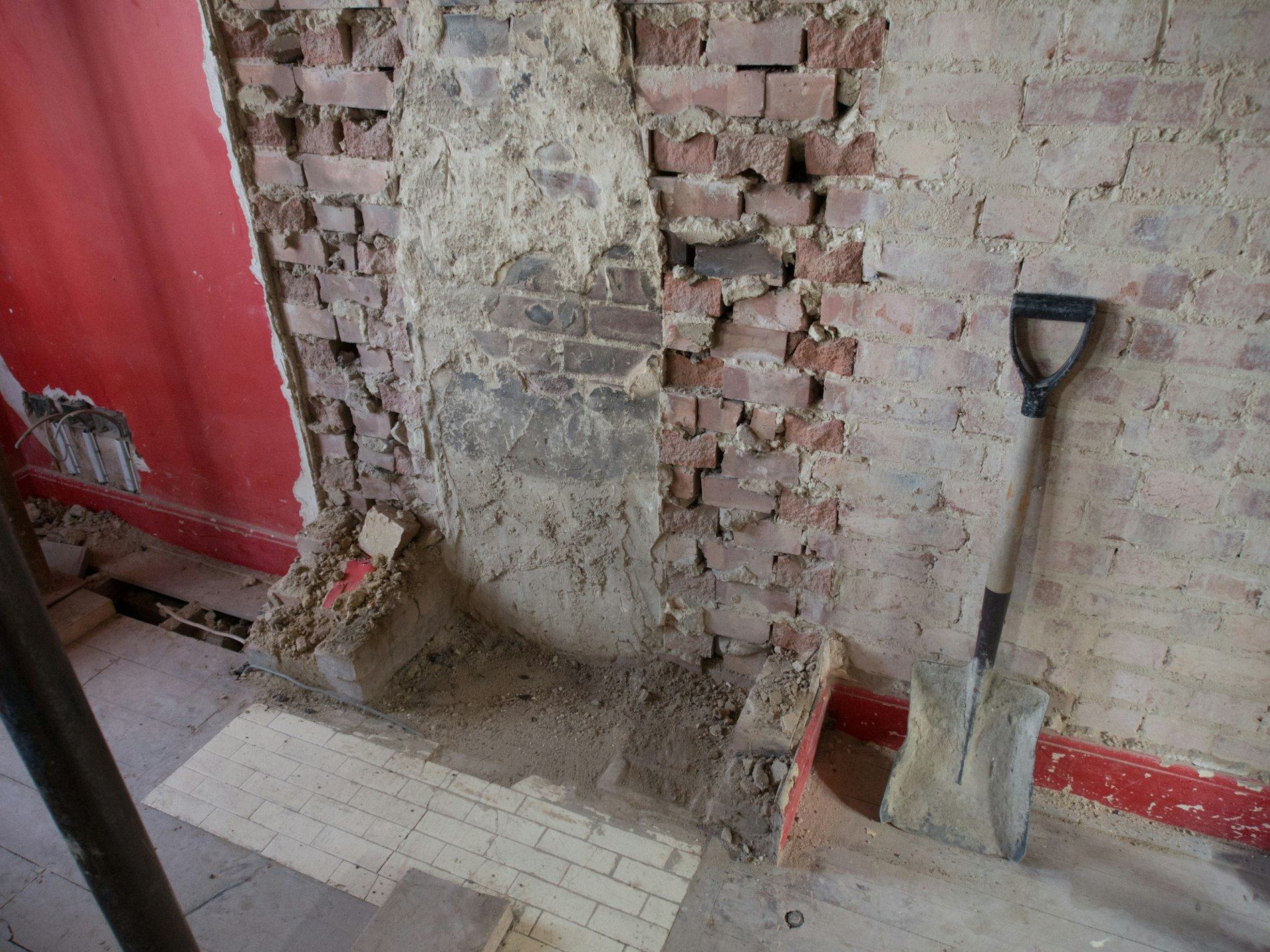
Resin injection
A ground engineer pumps expanding resin beneath the slab or footing, compacting loose soil and lifting the settled section back toward its original level.
-
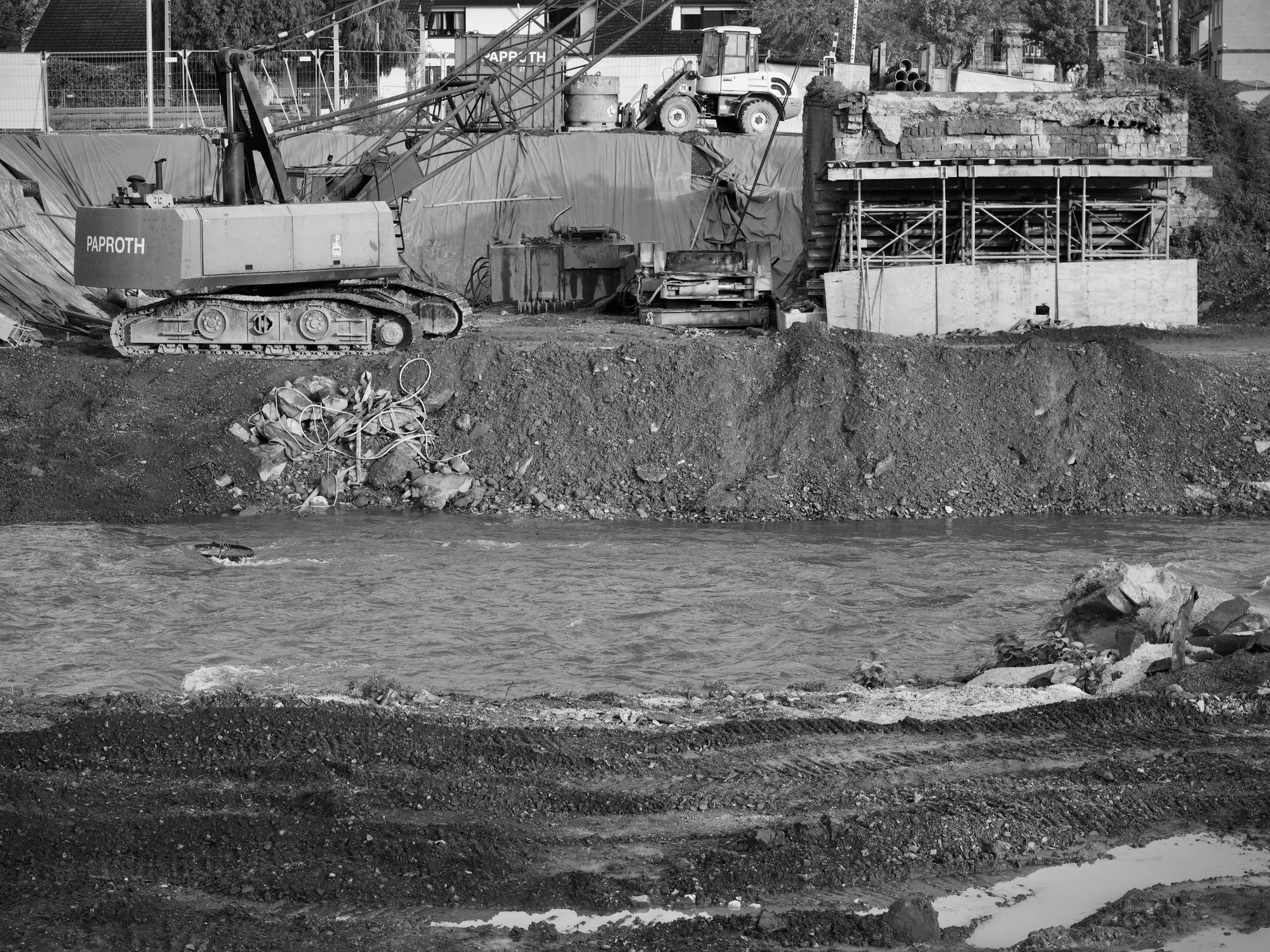
Screw piling
A piling contractor drives helical steel piles through soft fill until they reach competent bearing strata, then brackets them to the existing foundation.
-

Concrete cracking
A repair specialist assesses cracked slabs, drives and patios, determining whether the damage stems from subsidence, thermal movement or surface wear.
-

Subsidence help
A surveyor examines the pattern of cracks, measures their width and direction, and identifies whether the cause is clay shrinkage, drainage failure or tree roots.

Common questions
Cracks and clay in New Milton
Homeowners on the coastal plateau often notice the same seasonal pattern in older brickwork and plaster.
- Seasonal opening and closing Cracks that widen in summer and narrow in winter usually indicate clay shrinkage.
- Trees near foundations Roots from mature oaks extract moisture from the clay, accelerating seasonal movement.
- Depth of the clay layer Barton clay beneath the gravel cap exhibits high plasticity and shrink-swell behaviour.
- Monitoring before repair A full seasonal cycle takes twelve months to measure maximum movement.
- Conservatory settlement Lightweight extensions on shallow footings often drop away from the main house wall.
- Insurance and tree removal Insurers sometimes require root barriers or tree management before approving underpinning claims.
Foundation services available in New Milton
The gravel-over-clay geology here demands specific approaches. Each service addresses a distinct part of the problem, from diagnosis to stabilisation.
-
Subsidence help in New Milton
A surveyor examines the home, maps every crack and records its width. Because coastal Barton clay beds exhibit high plasticity and significant shrink-swell behaviour affecting older properties in New Milton, the surveyor sets up monitors to track movement over a full year. This data determines whether seasonal cracks in clay soil are active or historic.
-
Underpinning in New Milton
When monitoring confirms ongoing movement, a structural contractor digs beneath the existing foundations to reach stable ground below the Barton clay. Underpinning in New Milton must account for the gravel cap depth and the shrink-swell zone beneath it. The contractor sequences excavation in short bays to keep walls supported while new concrete cures.
-
Resin injection in New Milton
For lighter structures or localised settlement, a ground engineer uses resin injection rather than traditional concrete underpinning. Resin injection in New Milton is often specified when a conservatory has dropped away from the main house. The engineer drills through the slab, injects expanding polymer into voids below and lifts the floor back toward level.
-
Concrete cracking in New Milton
Shrink-swell clay does not only affect walls. Concrete cracking in New Milton frequently appears in garage floors, driveways and patio slabs as the ground moves seasonally. A repair specialist cores the slab to check the sub-base, distinguishes structural settlement from surface drying, and either stitches the crack with resin or replaces the affected panel.
-
Screw piling in New Milton
Where the gravel cap is thin or made ground complicates traditional digging, a piling contractor installs screw piles instead. Screw piling in New Milton bypasses reactive clay entirely, transferring the building load to deeper stable strata. Pile length depends on local borehole data; the contractor determines required depth after trial installations confirm bearing capacity.
Towns covered across Hampshire
Specialist firms operate throughout the county. Whatever the local geology, from chalk downland to reclaimed coastal ground, a surveyor or structural contractor works within reasonable distance of every Hampshire town.
- New Milton
If your town is not listed, ask about coverage using the contact form.
Ask about cracks in your home
Send details of what you have noticed. A specialist firm reviews the information and advises whether a site visit is needed. Submitting an enquiry does not commit you to any work or fee.
- No obligation
- Free initial review
- Local specialists