Local guidance
Subsidence in Romsey: cracks in older town homes
Romsey sits on River Test flood plain gravels over chalk, with a high water table that affects shallow Victorian footings. Find out what settlement cracks mean for an older brick or timber home here, and what a specialist can do about them.

Cracks in your old house in Romsey
Old house cracks in Romsey often follow the soft alluvium and gravel beneath the town. Shallow historic footings settle unevenly when the water table shifts, opening gaps in lime mortar and pulling brickwork apart along weak lines.
- 1
Stepped cracks in lime mortar
Diagonal stepping through old joints may reflect age or movement. A widening gap suggests the footing is still settling.

- 2
Doors sticking in frames
Timber frames distort as walls move. A door that catches only in winter points to seasonal ground changes.
- 3
Gaps around window sills
Separation between masonry and joinery shows differential movement. The wall may be dropping away from the frame.

- 4
Concrete floor cracking
Hairline fractures in ground-floor slabs can indicate the gravel below is shifting or washing out slowly.

Valley geology
Why Romsey ground behaves differently
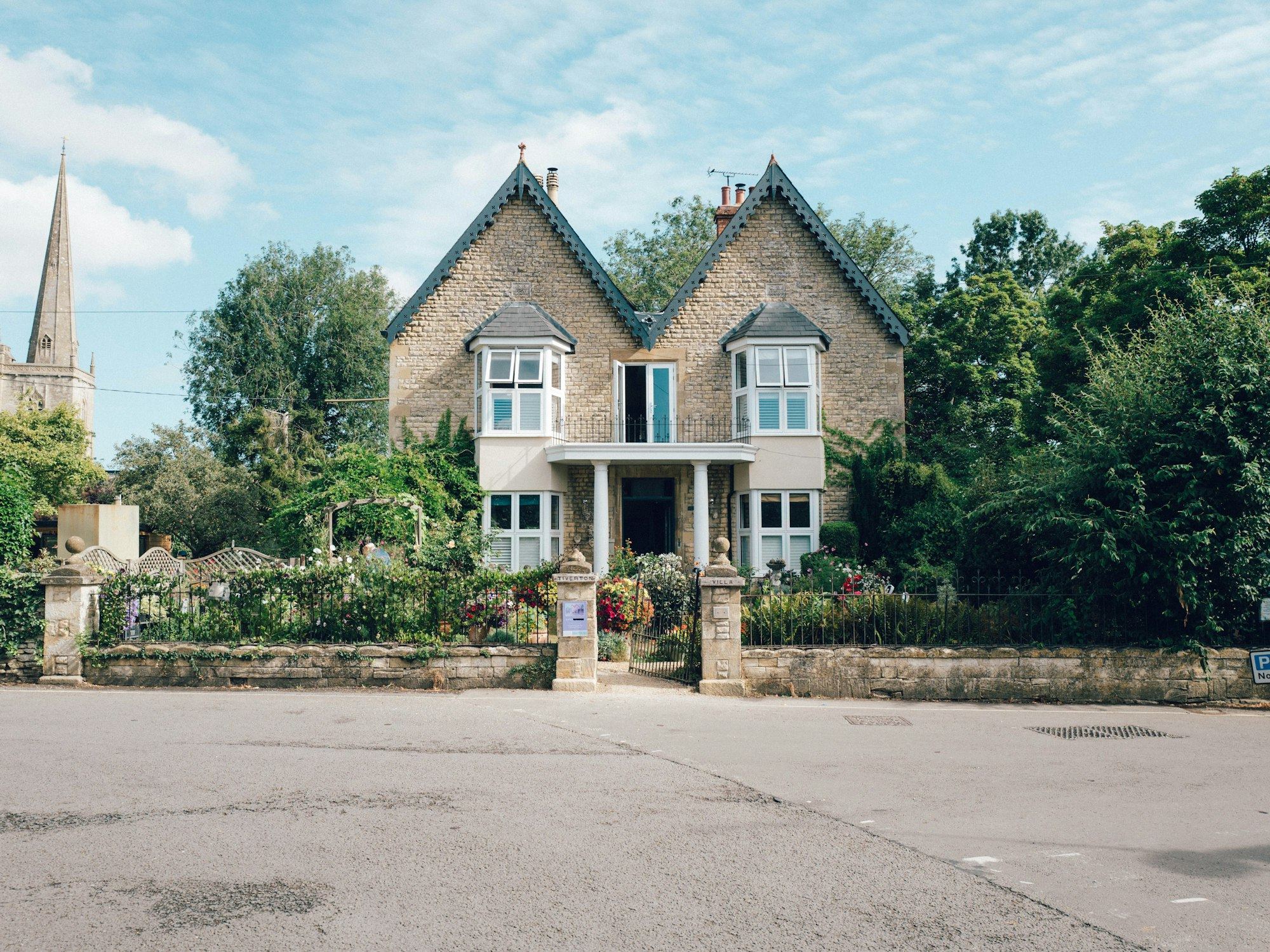
The low-lying valley ground near the Test causes settlement patterns unlike the chalk downs a few miles north.
- High water table River Test flood plain gravels hold water close to shallow foundations year round.
- Gravel over chalk Soft alluvium compresses under load where solid chalk lies much deeper down.
- Shallow Victorian footings Older brick houses were built on narrow trenches that barely reach stable soil.
- Seasonal water shifts Winter flooding and summer drying change how much support the ground gives.
- Lime mortar flexibility Soft joints absorb some movement but crack visibly when limits are reached.
- Timber frame distortion Wooden elements twist as masonry settles, pulling doors and windows out of square.
Foundation repair and subsidence help in Romsey
Settlement cracks in the Test Valley demand methods suited to wet gravel and shallow historic footings. Each approach addresses the specific ground conditions found beneath older Romsey homes.
-
Subsidence help in Romsey
A subsidence survey in Romsey, Hampshire begins with measuring crack widths and checking levels across the floors. The specialist investigates whether the River Test flood plain gravels over chalk are causing the movement, mapping the high water table before recommending any repair work for the home.
-
Underpinning in Romsey
Underpinning a period property in Hampshire requires care around shallow Victorian footings. The specialist excavates in short bays to avoid destabilising the soft alluvium, pouring new concrete bases that reach past the loose gravel into firmer material beneath the old house in Romsey.
-
Resin injection in Romsey
Resin injection in Romsey suits situations where digging through saturated gravel carries too much risk. The specialist pumps expanding resin beneath the shallow footing, compacting the loose flood plain material without the need for heavy excavation inside or outside the older brick home.
-
Concrete cracking in Romsey
Concrete cracking in Romsey often appears in ground-floor slabs laid directly on damp gravel. The specialist assesses whether the slab is simply shrinking or actively settling, stabilising the sub-base where necessary before repairing the fractured surface of the home.
-
Screw piling in Romsey
Screw piling near Romsey drives steel helices through the soft alluvium and loose gravel until they bite into the chalk below. The specialist uses this method where traditional foundation repair would disturb the high water table or damage neighbouring Victorian properties.
Towns covered around Hampshire
Specialist firms handle ground movement across the county, from coastal made ground to inland chalk valleys. Each area presents its own soil behaviour and typical footing depths, so local knowledge shapes every repair plan.
- Romsey
If your town is not listed here, ask about it anyway. Coverage extends across Hampshire.
Tell someone about the cracks you have seen
The details go to a specialist firm who will read them and respond. Sending an enquiry does not commit anyone to buying work or paying fees at this stage.
- No obligation to proceed
- Read by a specialist firm
- Your details stay private