Soft ground guide
House built on peat ground: soft valley soils
Low-lying valley floors and waterside plots in Hampshire often sit on compressible alluvium, silt or peat. Find out why this soft ground causes slow settlement, how it differs from clay shrinkage, and what repair options suit these conditions.
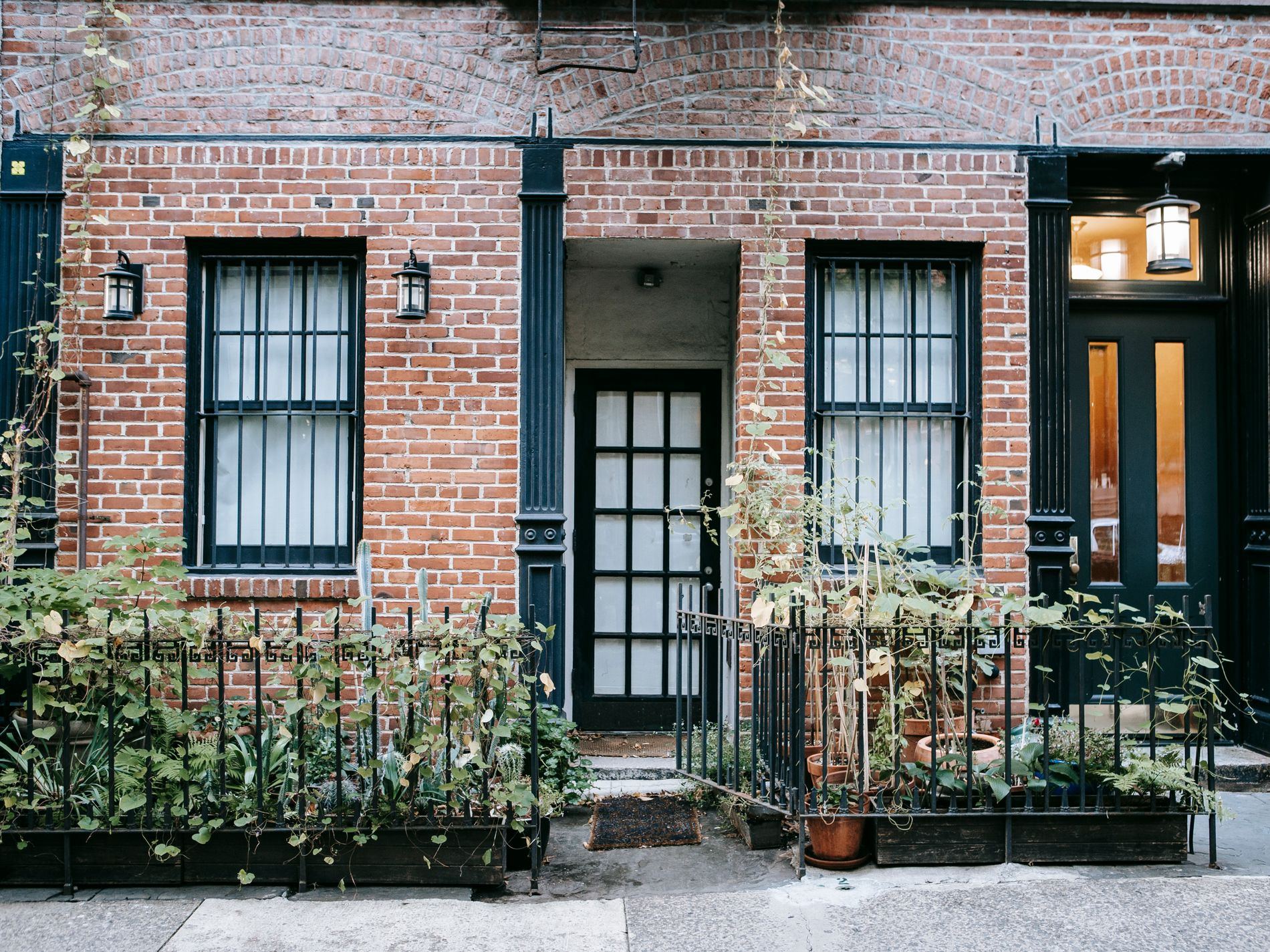
Why soft ground behaves differently under a home
River valleys and the Solent shore carry layers of soft alluvial soil foundations that compress slowly under weight. If you live in a house built on peat ground, the earth beneath the footings squeezes out moisture over years rather than seasons. This is not the sudden cracking seen when clay dries out in summer. It is a gradual lowering.
Homes along the Test, Itchen and Hamble rivers, and older properties near the coast at places like Hythe and Lymington, frequently rest on these deposits. The firmer gravel lies deeper down, sometimes several metres below the surface. Until the building reaches that stable layer, the structure continues to sink. A house sinking near river Hampshire locations will show this as a steady downward drift rather than sharp seasonal movement.
Peat ground settlement house problems tend to affect the whole footprint evenly at first. Later, variations in the thickness of the soft layer cause one corner or one wall to drop faster. That uneven pressure is what opens cracks and tilts floors.
How water table changes drive ongoing movement
The water table in low-lying Hampshire fluctuates with rainfall, river levels and tidal influence along the coast. When the water table rises, soft silt and peat swell slightly because the pores fill. When it falls, those same materials drain and compact further. This water table house movement repeats each year, adding small increments of settlement that accumulate over decades.
Silt ground subsidence Solent properties experience is closely tied to this cycle. Tidal rivers push saltwater into the ground during high spring tides, altering how quickly moisture drains from the surrounding soils. Properties in Gosport, Fareham and Portsmouth sit on reclaimed land where this effect is pronounced.
A rising and falling water table does not simply reset itself each season. Every drainage phase leaves the peat or silt fractionally denser than before. So the ground rarely returns to its previous level. Over many years, this ratcheting effect lowers the entire site. Monitoring boreholes installed by a specialist firm can track these fluctuations and separate them from other causes of movement.
Telling compressible ground apart from clay shrinkage
Clay shrinkage produces diagonal cracks that open in late summer and close after winter rain. Compressible ground does something different. Settlement on soft alluvium tends to be vertical, affecting the whole wall or floor slab at once. Cracks may appear horizontal or stepped, following mortar joints rather than cutting through bricks.
Slow settlement old cottage owners notice often starts with doors binding at the top corner, then progresses to visible gaps under skirting boards. Unlike clay, which reacts within weeks of dry weather, peat and silt take months or years to show new damage. The pace is slower, but the total movement can be greater because the material never recovers its lost volume.
If trees are nearby, their roots might draw moisture from clay but they have less effect on saturated peat. A specialist surveyor distinguishes between these mechanisms by examining crack patterns, measuring levels across the floor, and checking local geology records for the depth of soft deposits.
Insurance positions on peat and alluvial settlement
Insurers assess claims based on whether the movement is ongoing subsidence or historic initial settlement. If a house has been sinking since construction and the rate is slowing, an insurer may argue the original builders failed to account for the ground conditions. They might classify it as a defect rather than an insured peril.
But if the settlement accelerates, perhaps because of changed drainage patterns, a new nearby excavation, or prolonged drought lowering the water table beyond historical norms, insurers are more likely to accept it as subsidence. The distinction matters because accepted claims fund the investigation and repair work.
Specialist loss adjusters look for evidence of recent change. They compare current crack widths against old photographs, review borehole logs, and check whether neighbouring homes on similar ground are moving at the same time. Homeowners should keep dated records of any new cracks or sticking doors, as these support the argument that the problem is active rather than residual.
Repair methods suited to compressible Hampshire soils
Standard shallow underpinning often fails on deep peat because the new concrete still sits within the compressible layer. Specialist firms working in Hampshire use techniques that reach past the soft material to the firm gravel or bedrock below.
Screw piling drives steel helical piles through the silt and peat until they bite into stable ground. The existing foundation is then transferred onto these piles using brackets or a reinforced beam. This method suits waterside plots where vibration must be minimal and access is tight.
Resin injection offers another route. A specialist contractor injects expanding structural resin beneath the footing to compact loose material and lift settled sections. On very soft peat, resin alone may not provide long-term support, so firms sometimes combine it with piled solutions. Concrete floor slabs that have cracked or tilted can also be lifted and stabilised using targeted resin injection beneath the slab.
Each site needs its own assessment. Ground conditions vary even between adjacent houses in Romsey or Totton, so a specialist survey determines which approach fits the specific depth and type of soft material present.
Signs your home is settling on soft ground
Compressible soils beneath a home squeeze out slowly under its weight. The movement shows as gradual distortion across walls and floors rather than sudden cracking after dry weather.
- 1
Doors catching on frames
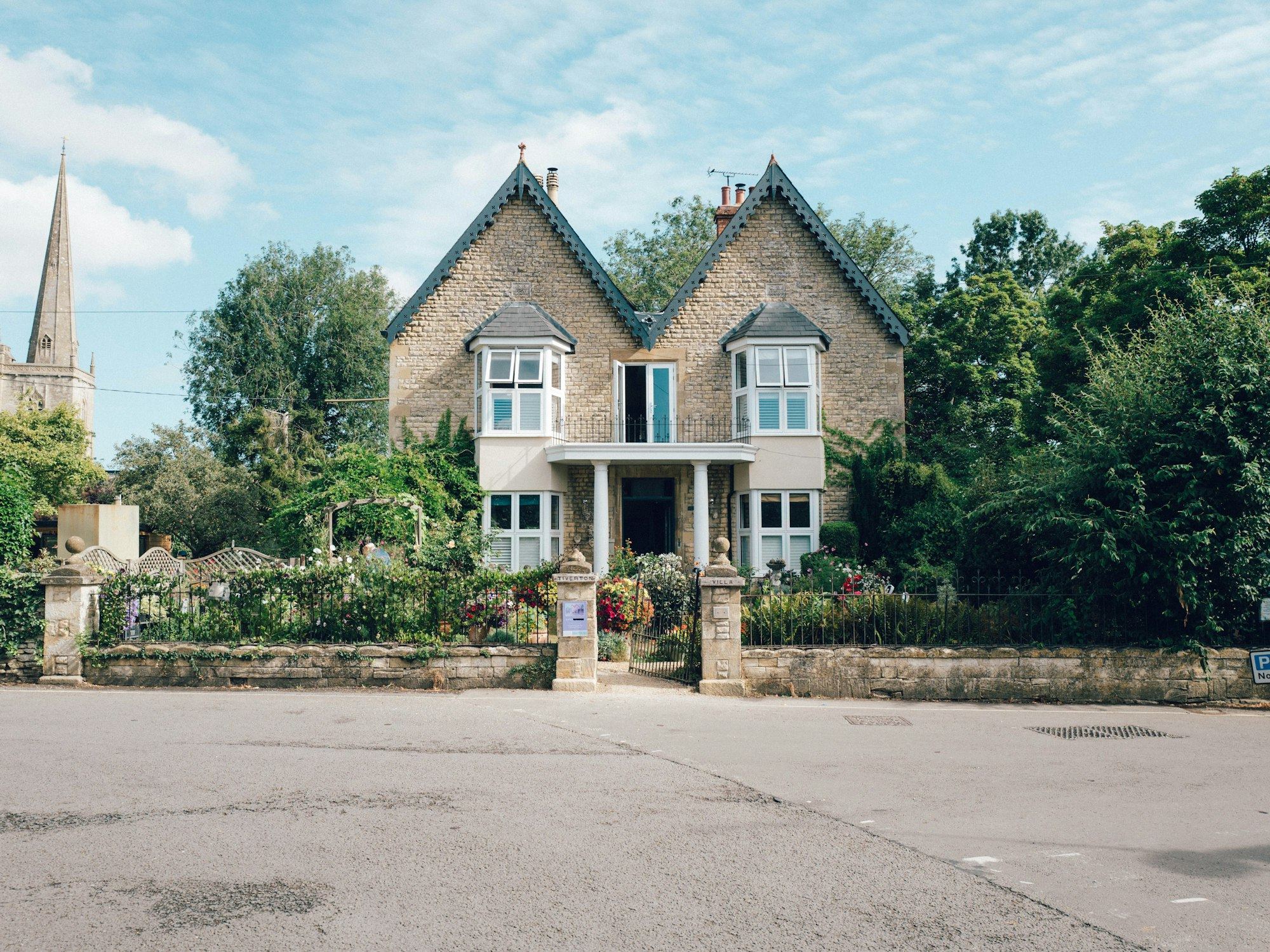
A door that sticks at the top corner and scrapes the frame suggests the doorway has distorted as the wall settles unevenly into soft ground.
- 2
Gaps opening under skirting boards
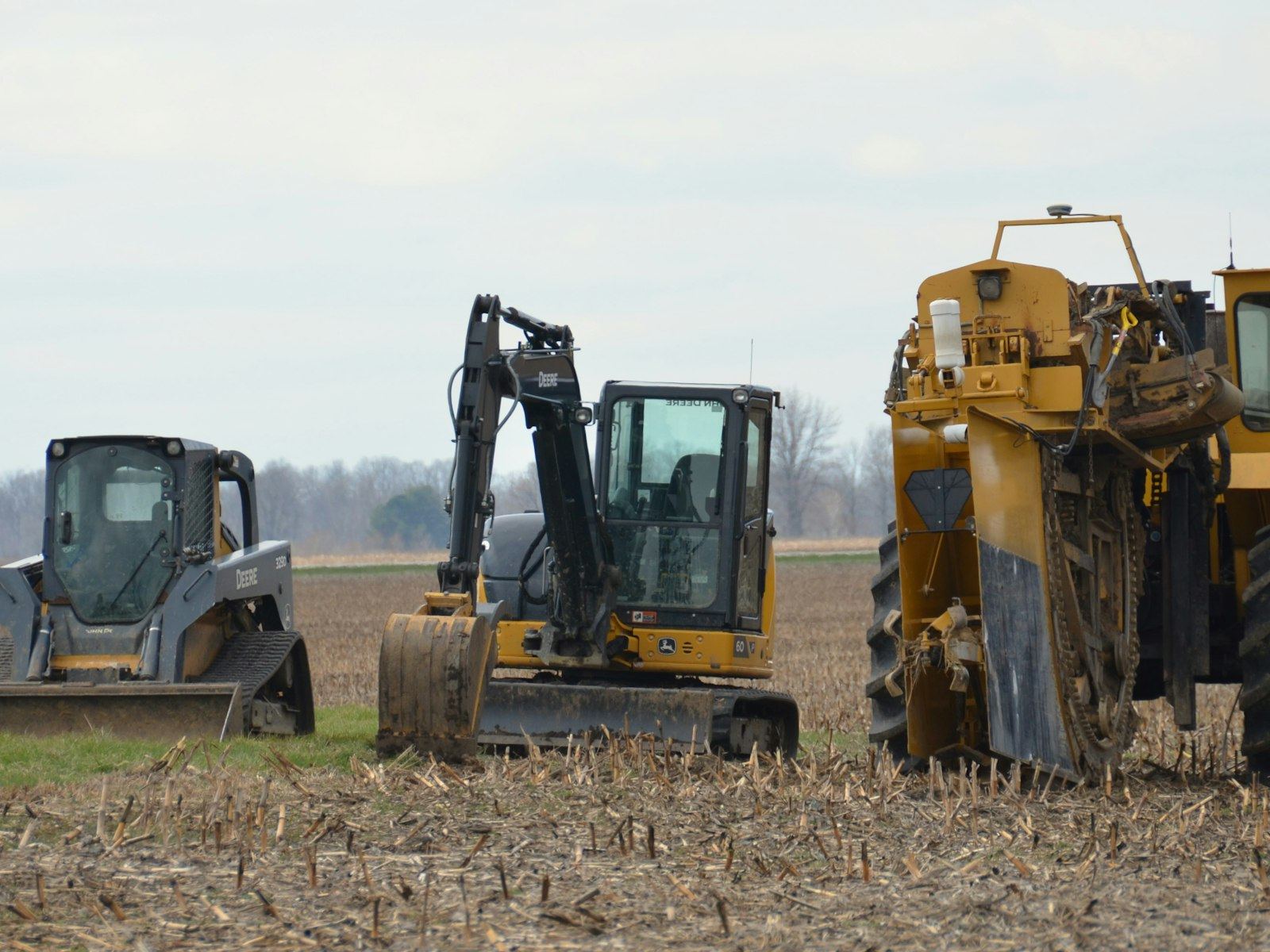
Visible space between the skirting and the floor means the floor has dropped away from the wall, common where soft silt compresses beneath the slab.
- 3
Cracks running horizontally in brickwork
Horizontal or gently stepped cracks along mortar joints differ from the sharp diagonals of clay shrinkage and point to broad downward movement.

- 4
Floors sloping toward one corner
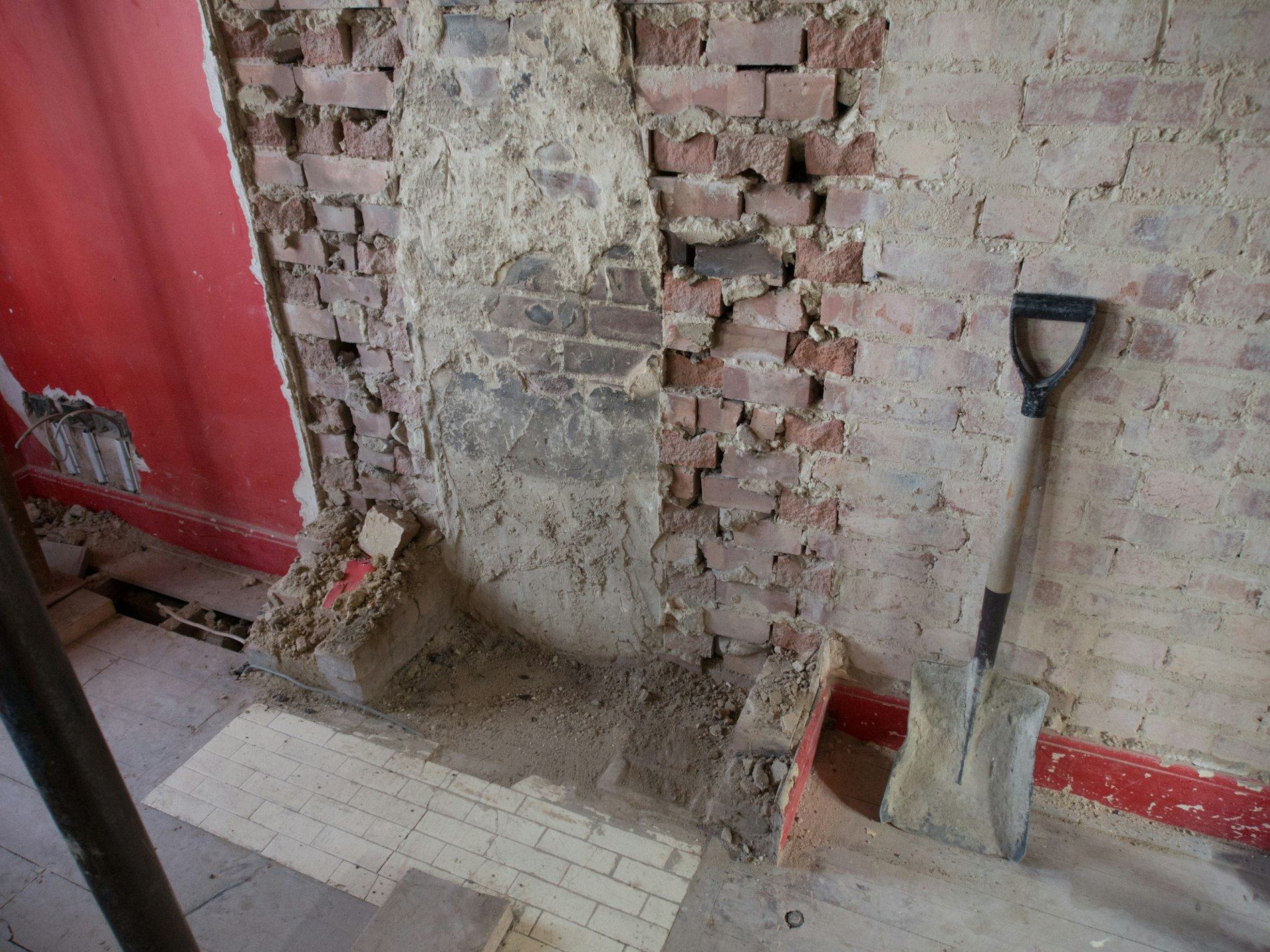
A noticeable tilt when walking across a room indicates differential settlement, where one part of the house sinks faster into softer underlying material.
- 5
External render splitting in bands
Long horizontal splits in rendered walls follow the line of compression as the whole facade lowers gradually over soft alluvial deposits.
Questions about building on soft ground
We are near the river and the house is settling slowly, is peat likely?
Riverside plots in Hampshire often sit on layers of peat and alluvial silt deposited over centuries. If the settlement is slow and widespread rather than seasonal, compressible organic material is a probable cause. A specialist survey confirms what lies beneath.
How is settlement on soft ground different from clay shrinkage?
Clay shrinkage causes rapid diagonal cracking during dry summers that partially closes when rain returns. Soft ground settlement is slower, mostly vertical, and does not recover with wet weather. The cracks follow mortar joints rather than cutting through bricks.
Does a rising and falling water table make movement worse each year?
Yes. Each time the water table drops, peat and silt drain and compact slightly. When it rises again, the ground does not fully expand back. Over years this ratcheting effect increases total settlement progressively.
Will an insurer accept peat settlement as subsidence?
It depends on whether the movement is active or historic. Insurers may reject claims if they view the settlement as initial compaction present since construction. Evidence of recent acceleration improves the chance of acceptance.
Does this kind of ground ever stabilise, or does it keep moving?
Peat and silt continue compressing as long as moisture content changes or load increases. Without intervention, movement slows but rarely stops entirely. Piled foundations reaching firm strata halt the process.
What sort of repair suits a house on compressible silt near the Solent?
Screw piling through soft layers to reach stable gravel is common along the Solent. Resin injection can supplement this by densifying shallow material. A specialist firm selects the method after reviewing borehole data.
Can anything be done about doors sticking and floors sloping meanwhile?
Temporary easing of doors and windows relieves friction while investigations proceed. Permanent correction requires addressing the ground movement first. A specialist contractor advises on safe interim measures.
How do we find out how deep the soft ground goes under our house?
A specialist surveyor arranges boreholes or dynamic probe tests to measure the depth of peat, silt and clay before reaching firm gravel. These results determine whether piling or another method is needed.
Find out what the movement means for your home
Send details of what you have noticed. A specialist firm reviews the information and advises whether a site survey is needed. There is no obligation to proceed with any repair work.
- No obligation to proceed
- Reviewed by a specialist firm
- Local Hampshire knowledge